
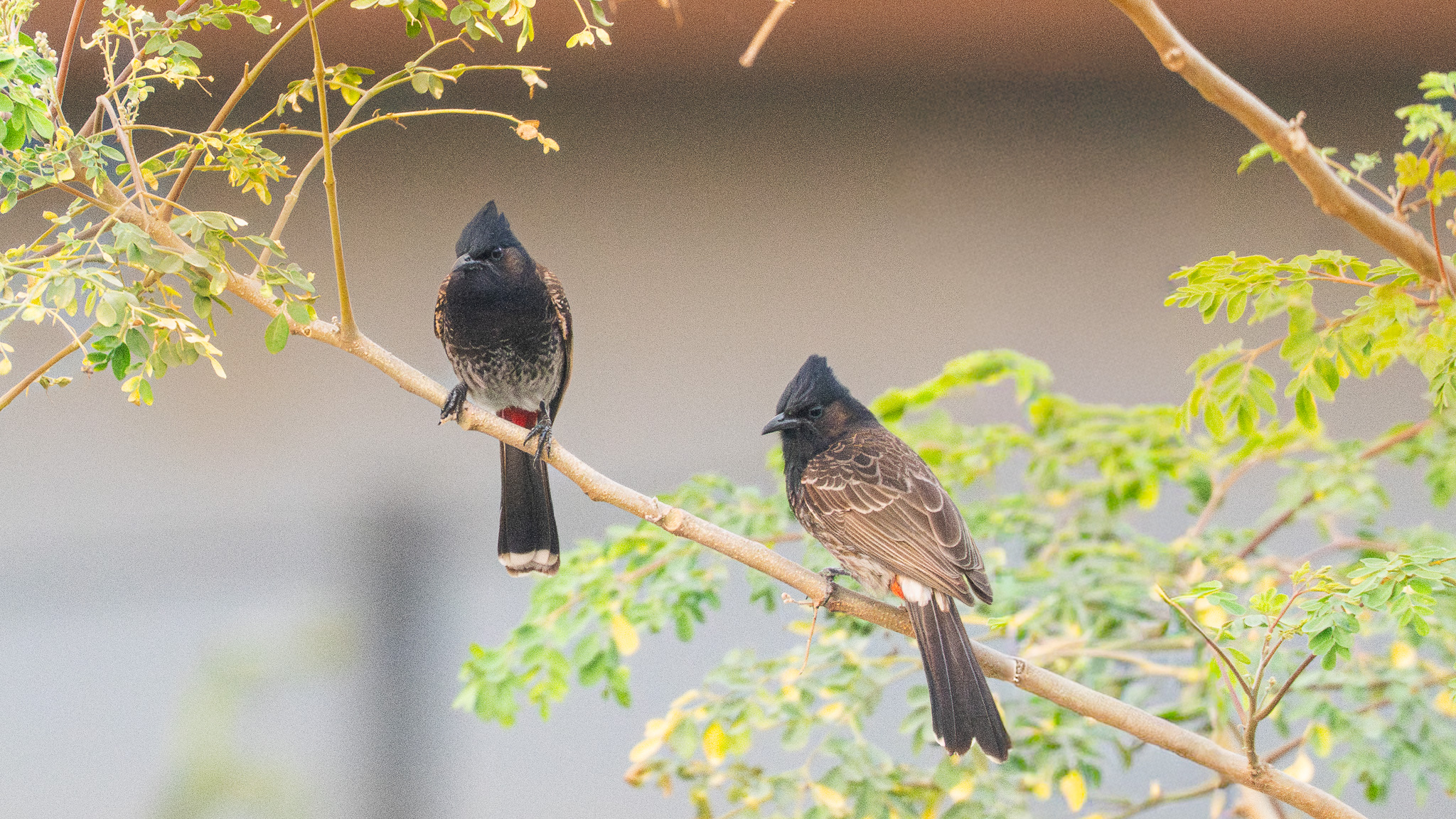
Wings Over Agartala: The Birds at Our Doorstep, and Why We Must Look Up Before They Are Gone
A quiet letter to the birds of our town and a plea for the children who deserve to inherit their songs.
You Don't Have to Go Far
There is a curious belief, even among nature lovers in Agartala, that birding is something you do somewhere else. You pack a bag for Sepahijala. You drive to Rudrasagar. You dream of Dumbur or Meghalaya in the hills beyond. And while those places are wonderful, the truth is far simpler and far closer:
The birds are already here. They are in your garden, your neighbour's mango tree, the drain behind the market, the telephone wire above your scooter, the bamboo grove at the edge of the para.
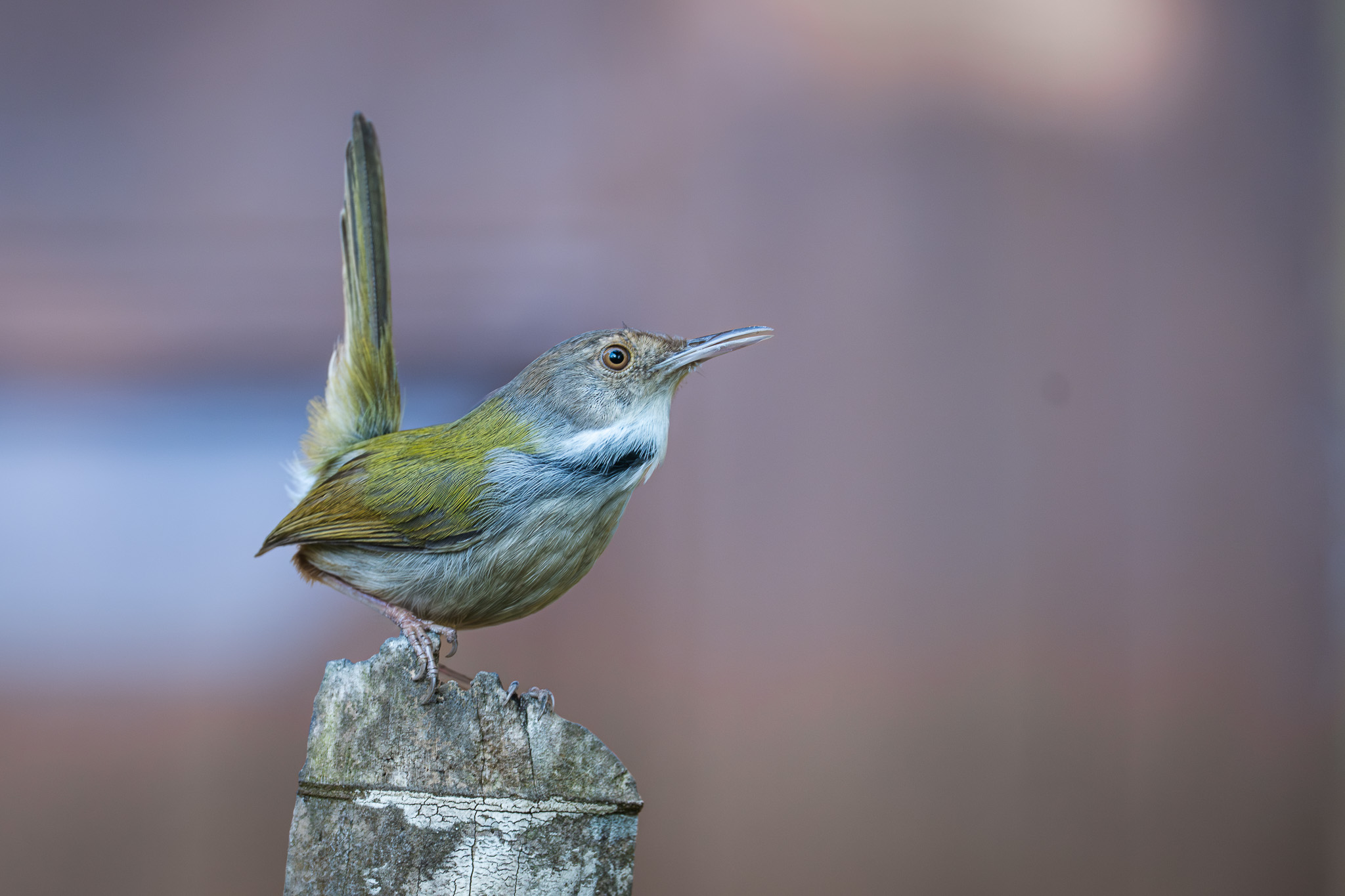
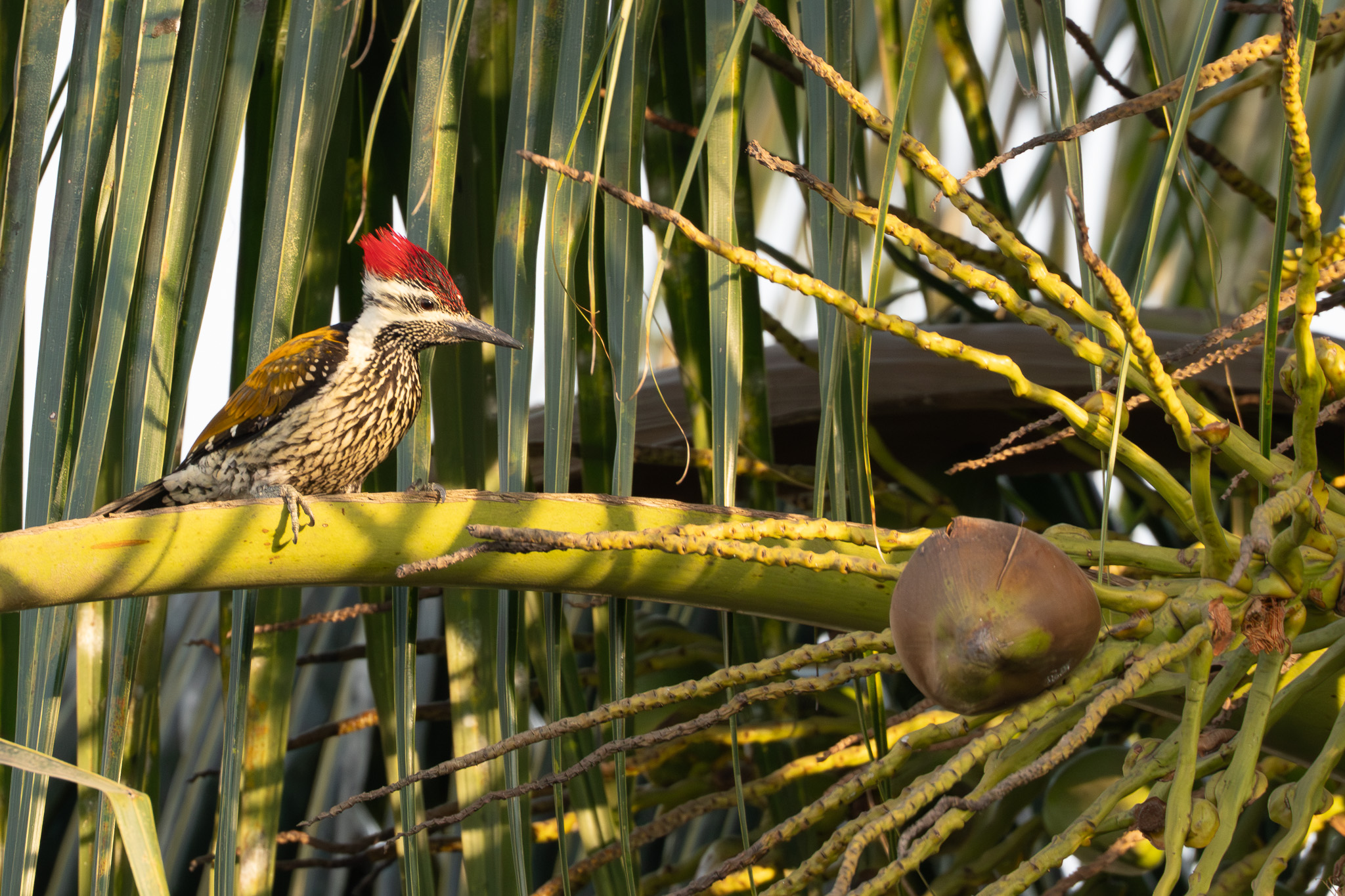
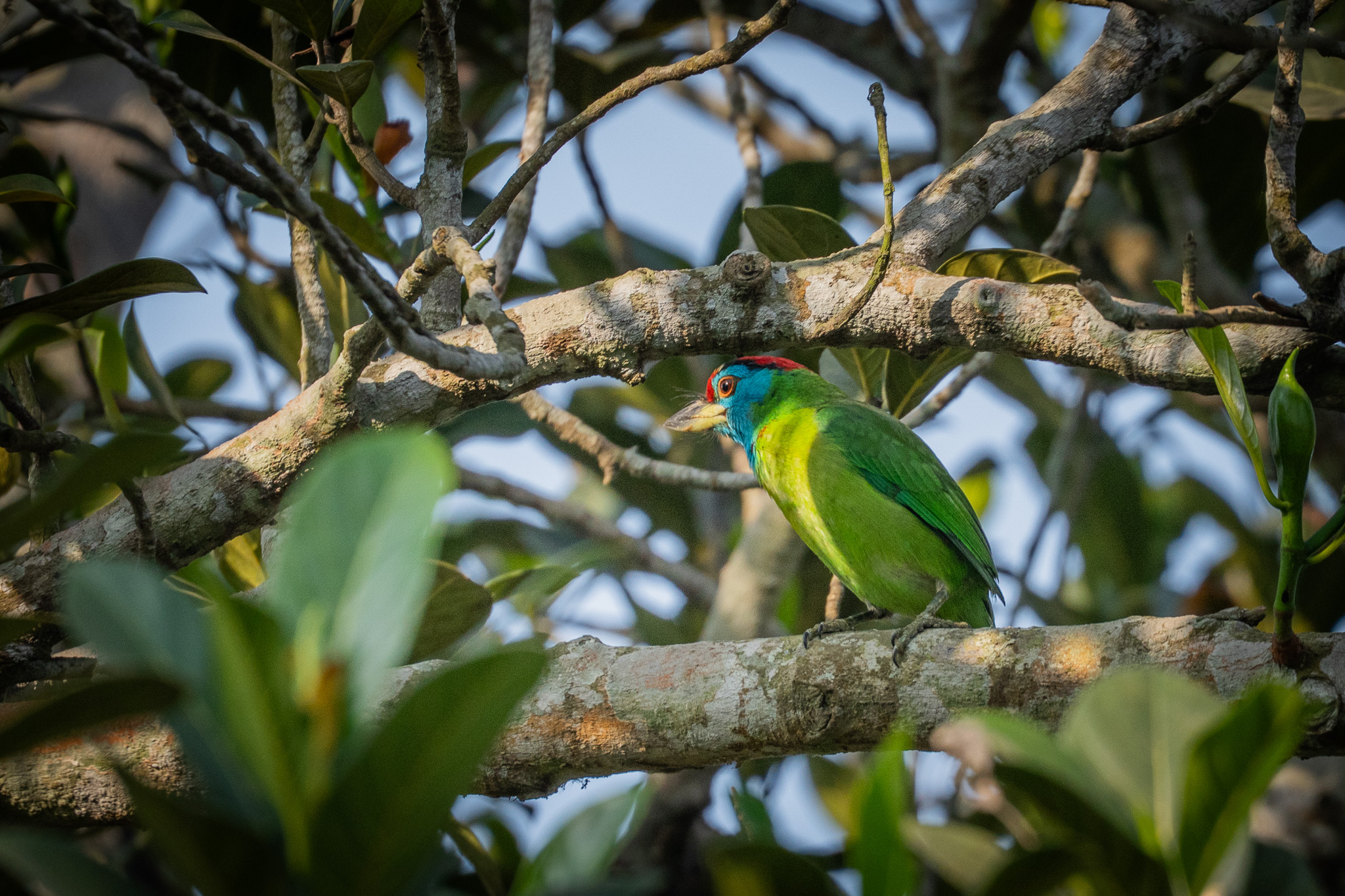
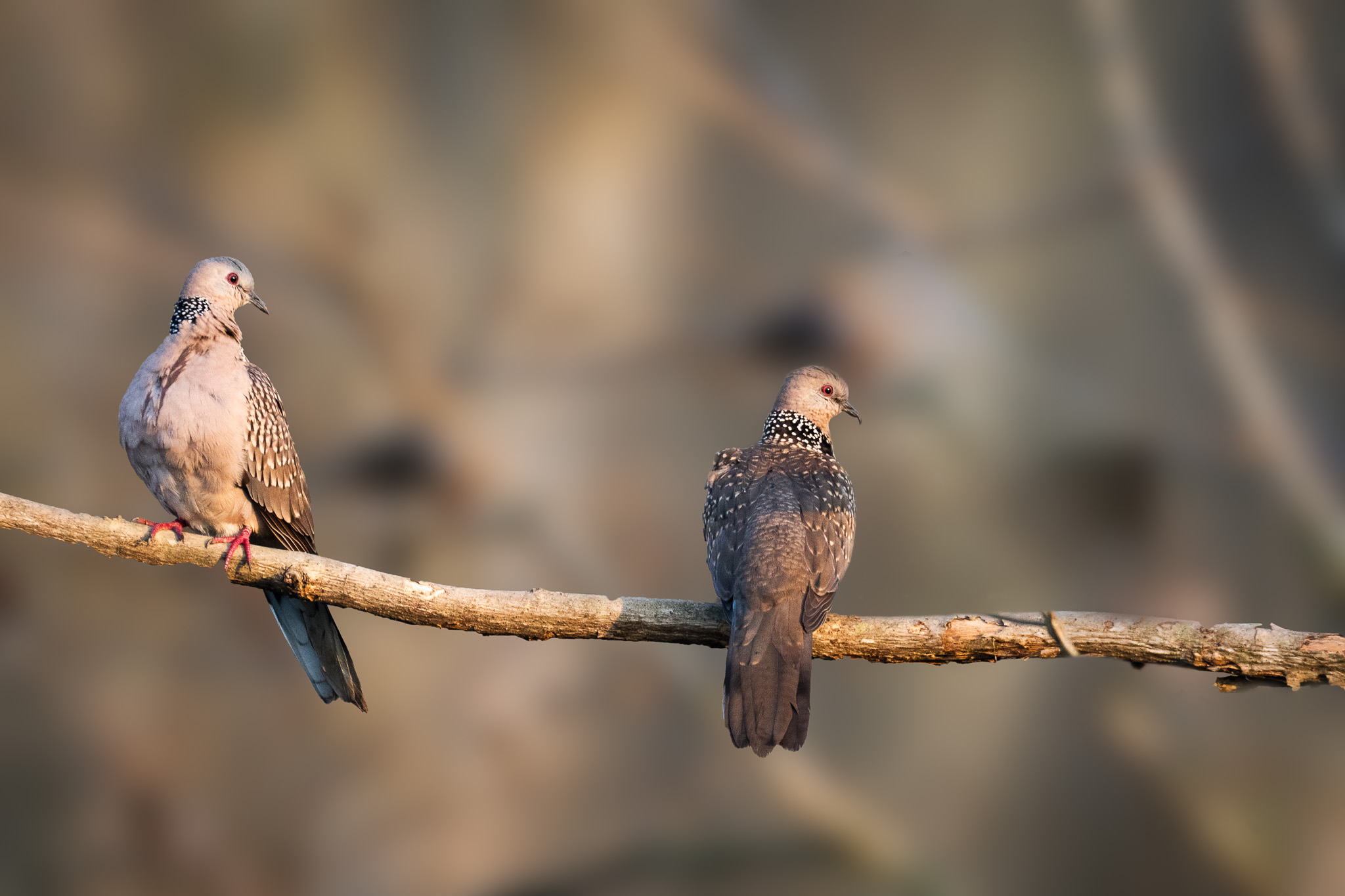
Step out of your house every morning before the traffic begins. Stand still for ten minutes. Listen. You might hear a tailorbird scolding from the hibiscus, a barbet calling like a slow bell from somewhere up high, a flameback drumming on a dying jackfruit tree, the soft coo-coo of a spotted dove on the rooftop. Agartala is not a city that has lost its birds not yet. But it is in the process of losing them. With each tree we cut down and each pond we fill up, we push them further from their natural habitat.
This little article is for anyone who has ever paused to wonder what that flash of yellow in the branch of a tree was, or whose grandmother told them that the koel calling from the kathal tree meant the rains were coming. It is also for anyone who has not yet learned to look especially the children.
Why Birds Matter (More Than We Think)
We tend to talk about birds as though they are decoration pretty things that brighten the morning. They are far more than that.
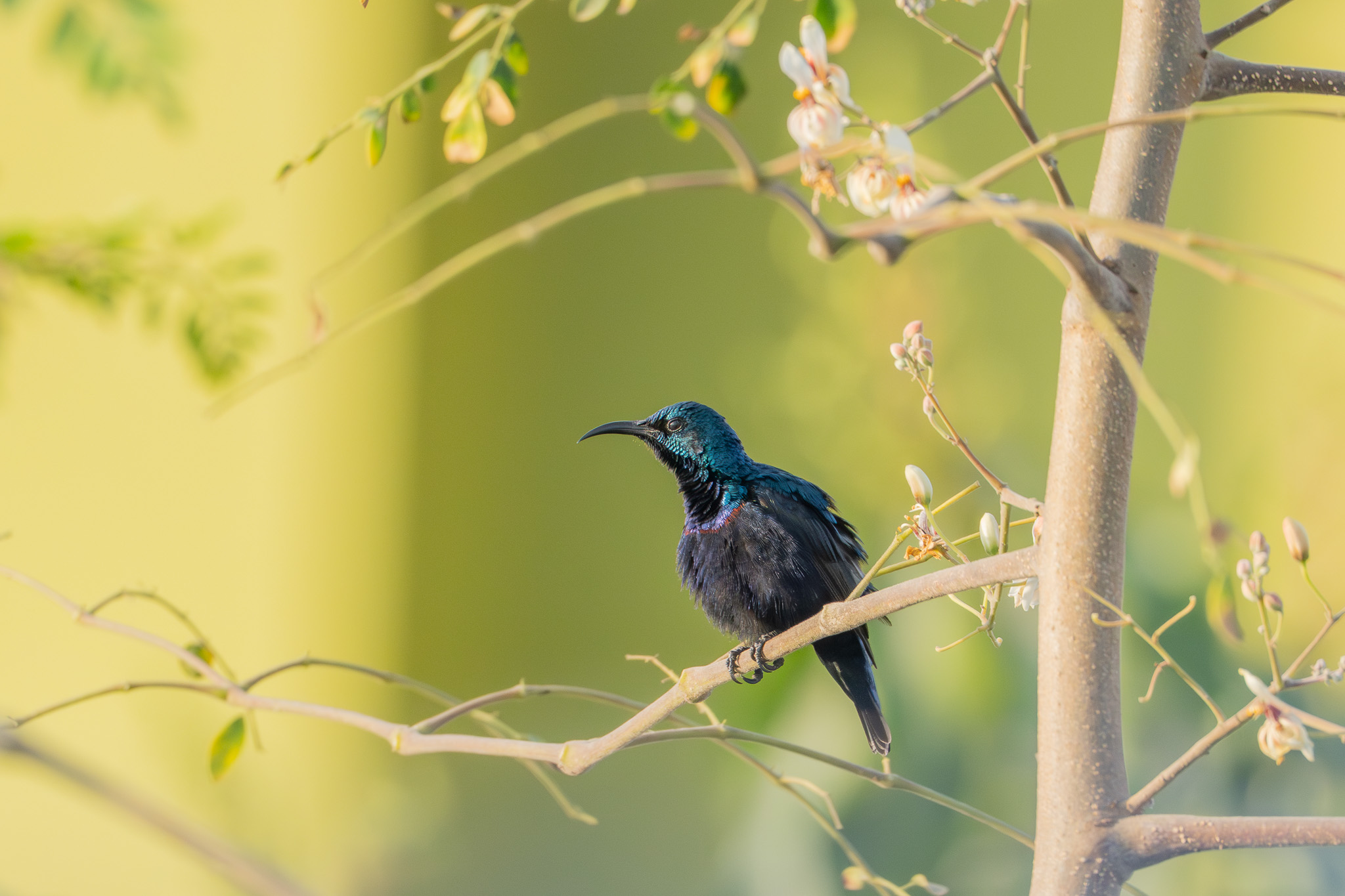
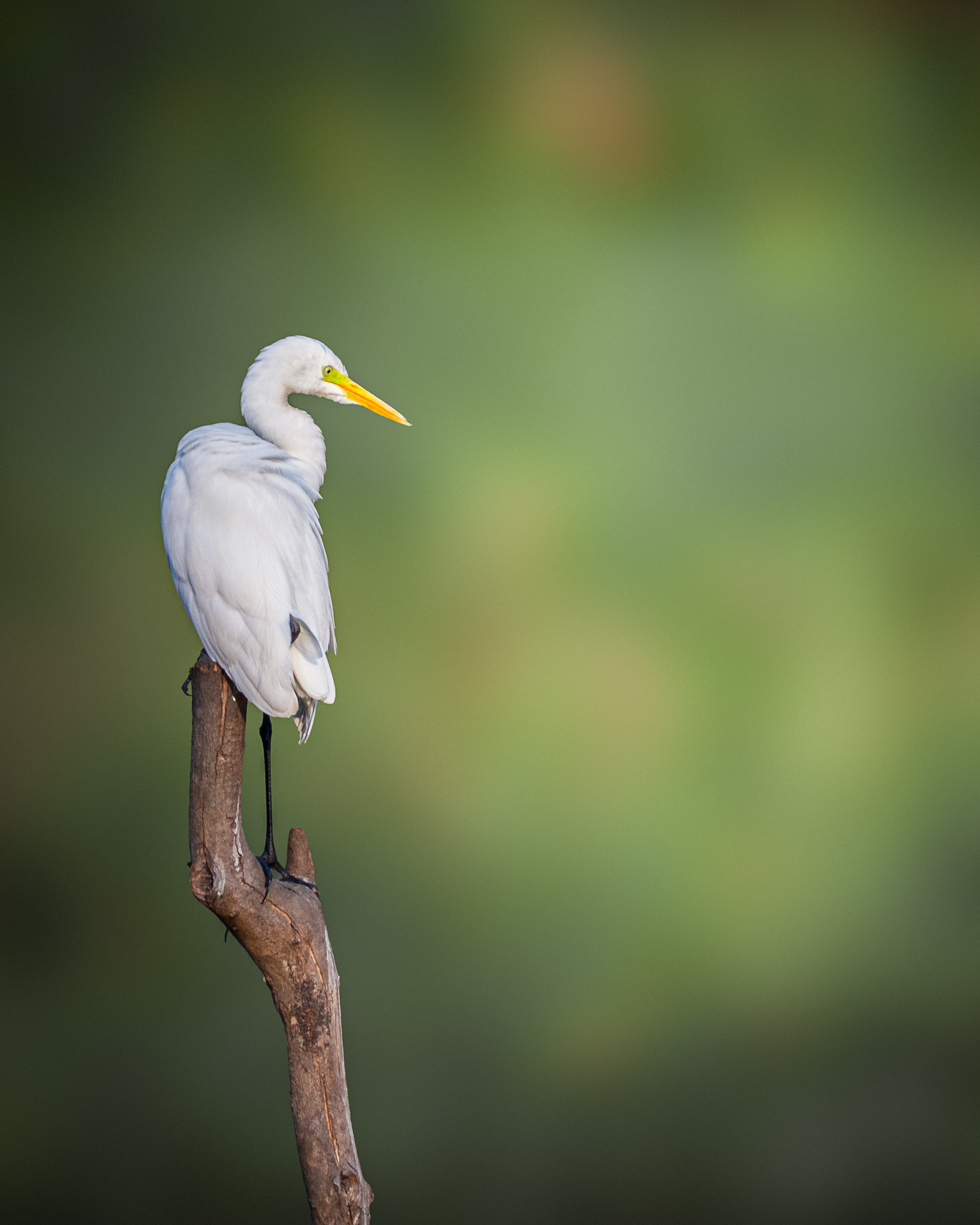
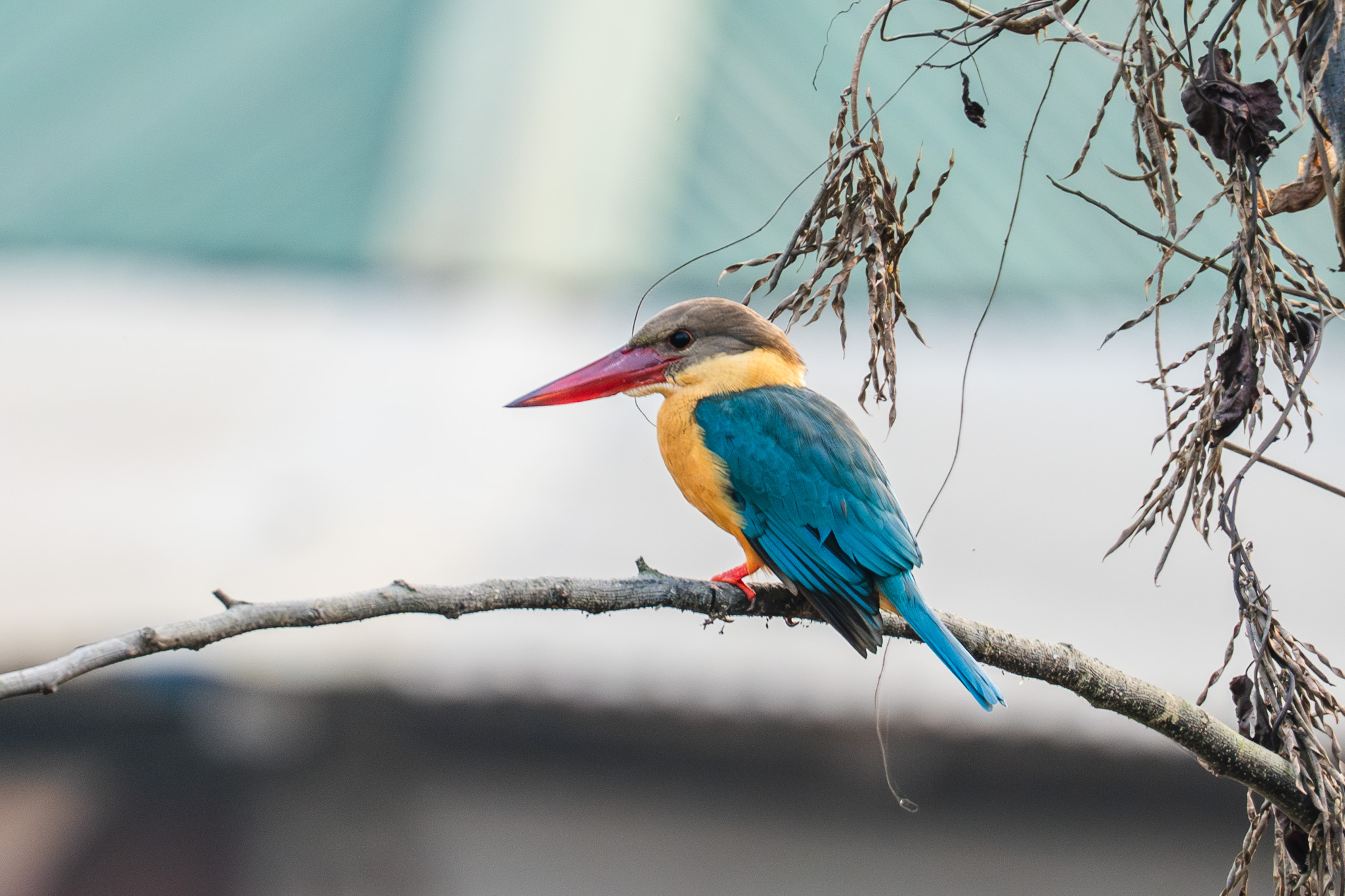
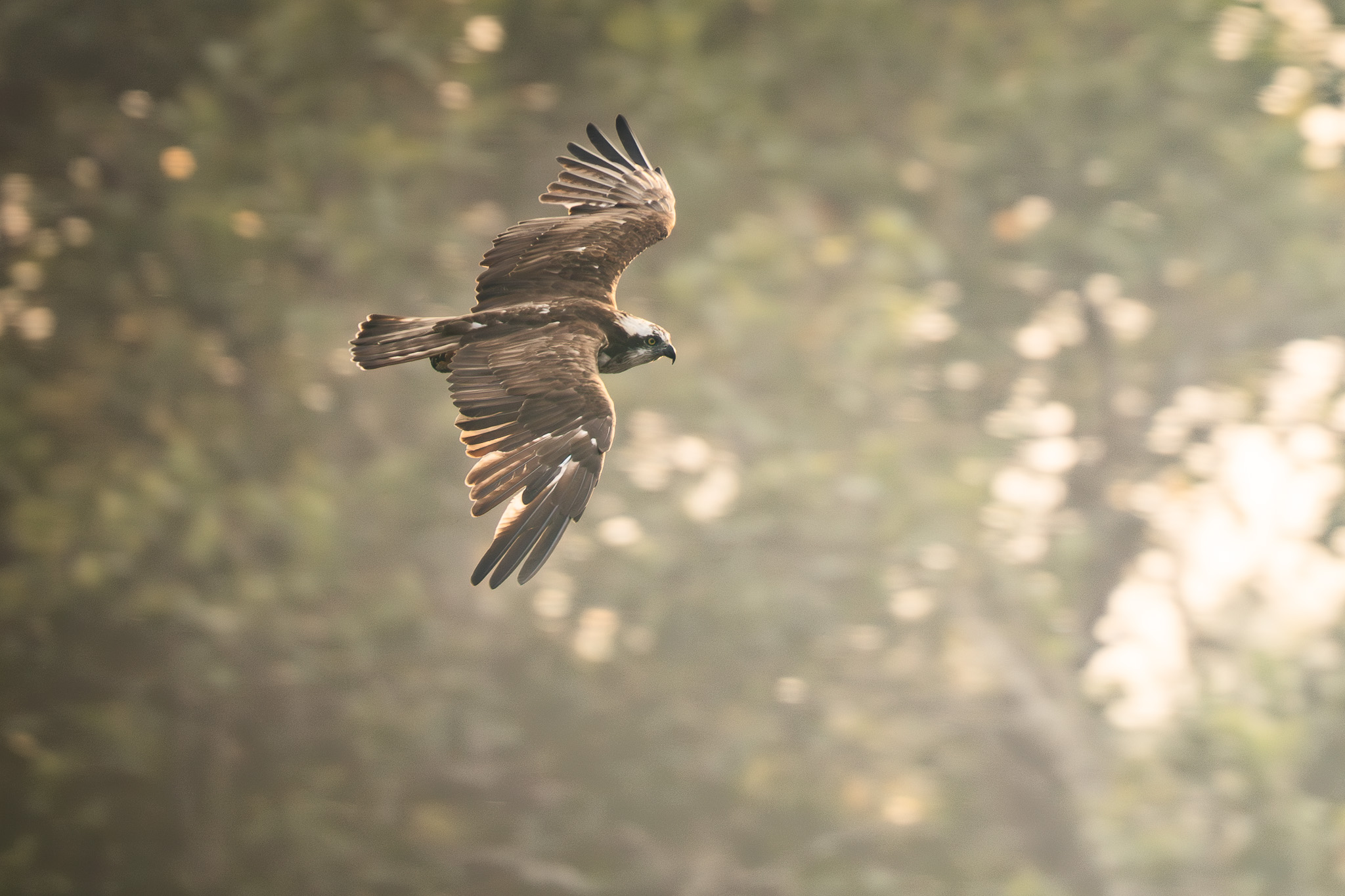
Birds are the silent gardeners and pest controllers of our city. A single tailorbird family eats thousands of caterpillars in a season. Sunbirds and barbets pollinate the simul, the palash, the wild figs. Pigeons and bulbuls disperse seeds across kilometres, planting the next generation of trees we have not yet thought to plant. Egrets and kingfishers keep our ponds in balance. Ospreys and shrikes quietly regulate the food chains we never see.
Birds are also our most honest environmental indicators. When the sparrows began disappearing from Indian cities a decade ago, it was not just sentiment it was a warning. Birds tell us, before any government report does, when the air is wrong, when the water is wrong, when there are too many pesticides in the rice fields, when a wetland has been quietly poisoned. A town with healthy birds is a town that is still healthy for its people.
And there is something else, harder to put into words. Birds are that part of the wild that has agreed to live with us. They have not retreated to the deep forest. They have stayed on our rooftops, in our gardens, at our ponds. To lose them is not to lose a distant wilderness. It is to lose the wilderness that chose to keep us company.
The Quieter City
I grew up here. I remember when the road in front of our house had a row of old krishnachura trees, and how, in May, the whole street bloomed red with their flowers, and the barbets and koels argued in them all afternoon. The shade of those trees gave peace to the people who lived there in the scorching summer. Those trees are gone now. The road is wider. There are no flowers in May and no peace in summer.
This is not a unique story. It is the story of almost every neighbourhood in Agartala over the last twenty years.
Three things, more than anything else, are pushing the birds out:
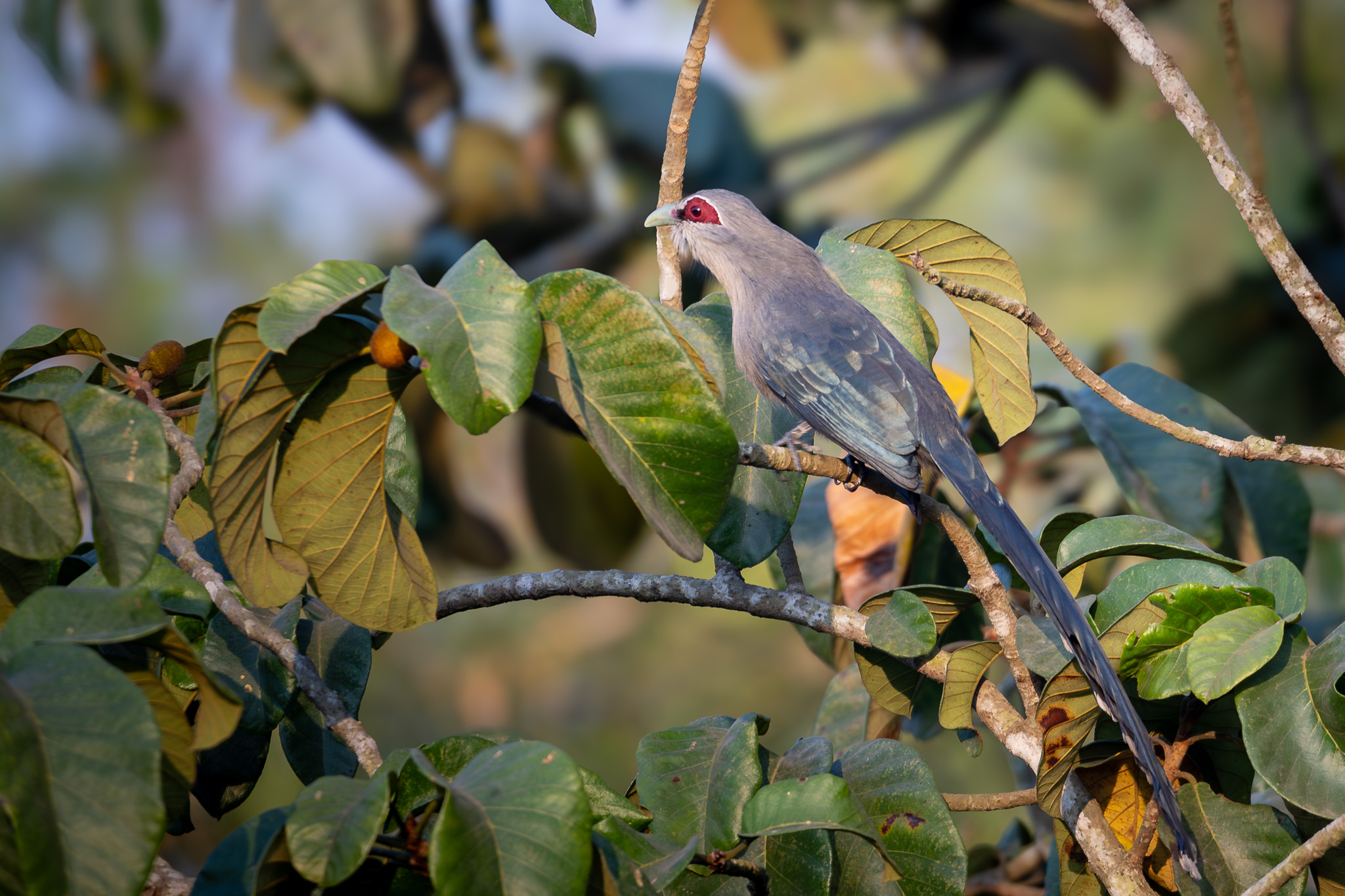
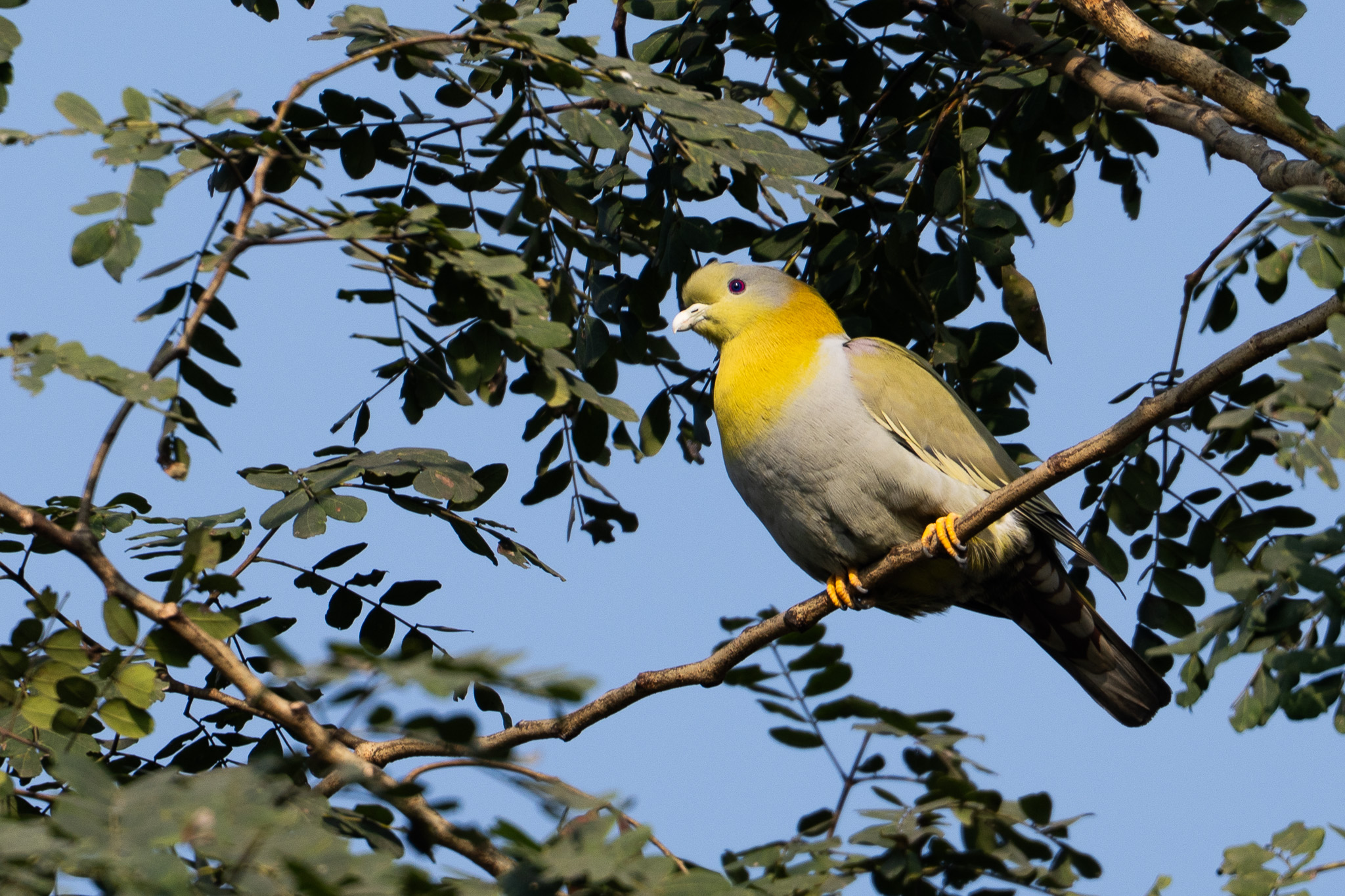
The felling of mature trees. Birds do not need shrubs and saplings; they need old trees. Hollows for woodpeckers. High canopies for green pigeons. Dense crowns for malkohas. When a sixty-year-old tree comes down to make room for a wider road or a new shop front, we are not only losing shade we are demolishing a vertical apartment block of birds. A new sapling does not replace it for half a century.
Multi-storey construction in place of homestead gardens. The old Agartala home the bari with its pond, its bamboo, its mango and jackfruit and betelnut trees was a perfect bird sanctuary, repeated thousands of times across the town. Each one held tailorbirds, sunbirds, bulbuls, doves, drongos. As these are sold and replaced by four- or five-storey buildings with tile and concrete, that distributed habitat disappears. The birds have nowhere left to nest, even if they can find food.
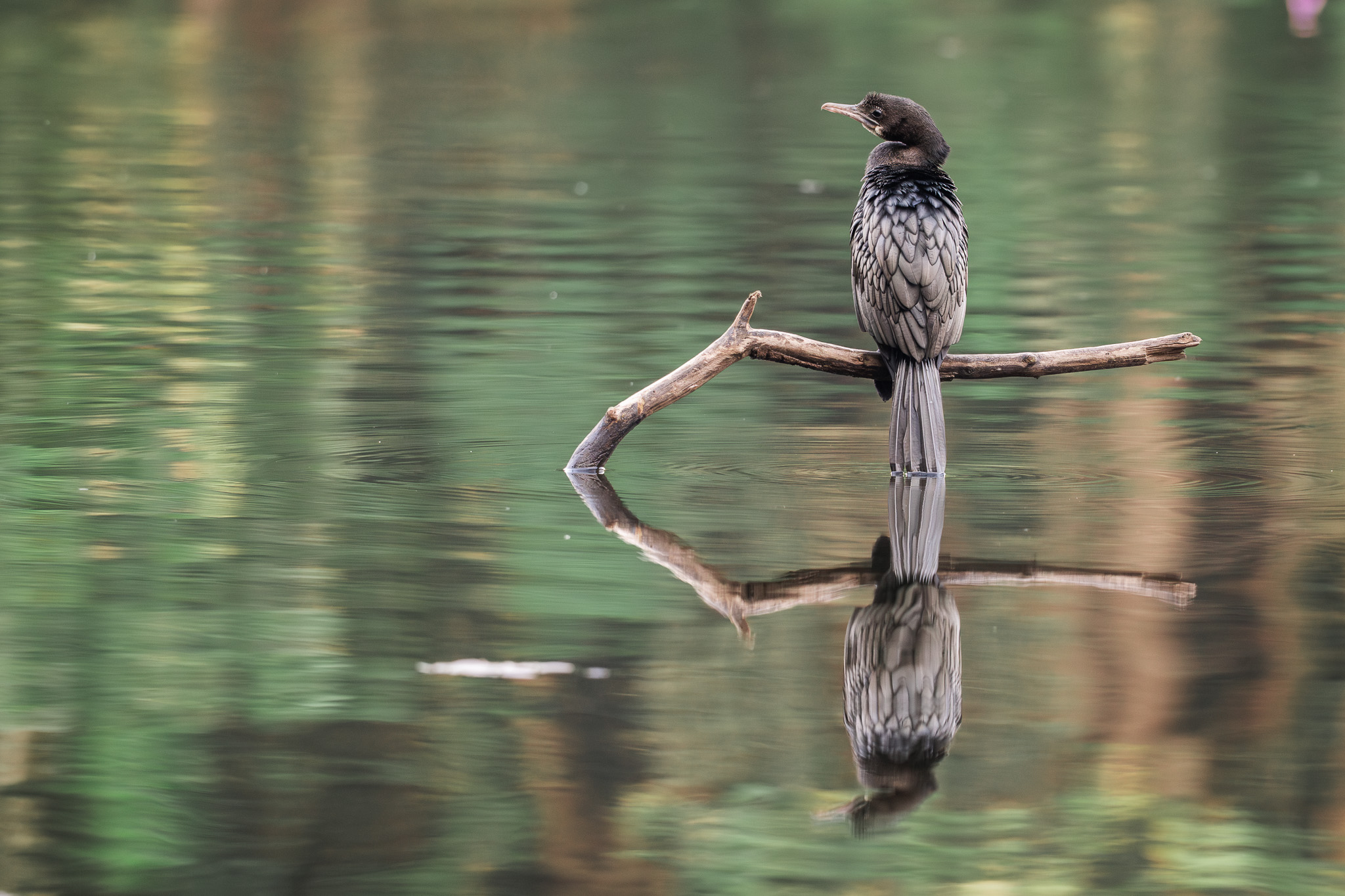
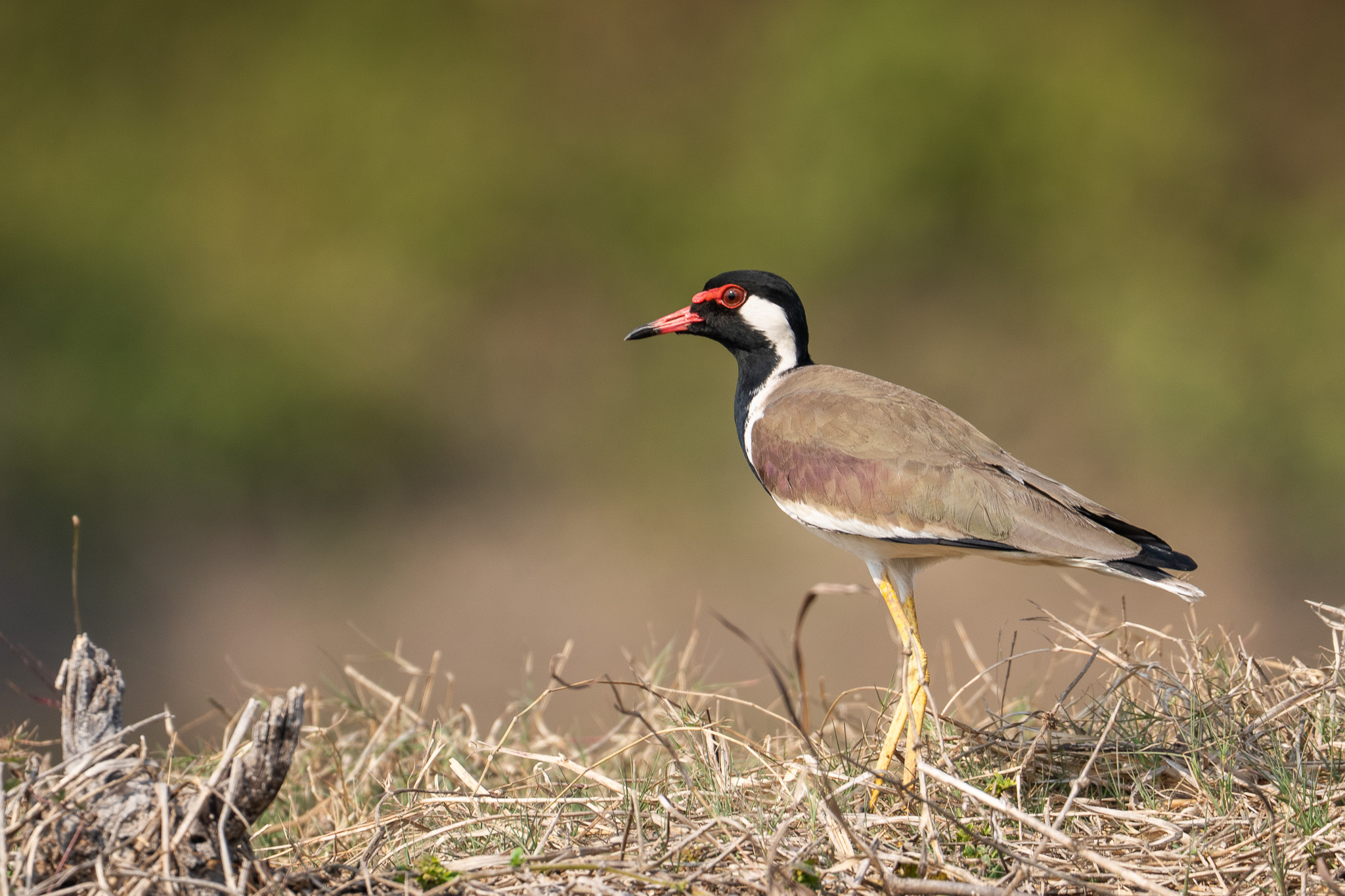
The filling of ponds and jheels. This is perhaps the most heartbreaking. Every small water body in this town fed kingfishers, herons, egrets, cormorants, lapwings, and dozens of migratory ducks in winter. A single pond, two bighas across, can host a startling diversity of life. When it is filled overnight with truckloads of earth and a "Plot for Sale" board goes up, an entire ecosystem dies in silence. There is no obituary.
You can map the disappearance of birds on a calendar of construction. Where a pond is filled, the kingfishers vanish that same year. Where a row of old trees is cut, the woodpeckers do not return. Where a bari becomes a building, the tailorbirds simply fall quiet.
We sometimes tell ourselves "they will go to the forest." They will not. Most of these birds are not forest birds. They evolved alongside human settlements, our gardens, our village ponds. When we erase that landscape, we are not pushing them out we are erasing them.
A Town That Has Not Yet Learned to Look
There is another loss, less visible than felled trees and filled ponds, but tied to both: Agartala has almost no birding culture.
In other Indian cities Bengaluru, Pune, Kolkata, Guwahati, even much smaller towns in Assam and Meghalaya there are weekend bird walks, school nature clubs, citizen-science groups uploading sightings to eBird, photography meet-ups, ornithology lectures at the local college. Children are taken on guided walks at dawn. Senior citizens identify warblers in their park. A whole community keeps watch over the avian life of the city.
Here, that culture barely exists. Ask ten educated, well-meaning Agartala residents to name five birds in their garden, and most will struggle past kak, chorai, ghughu and kokil. Walk through a college campus, or a neighbourhood with binoculars and you will be asked, more than once, what you are looking for as though binoculars pointed at a tree were a stranger sight than the bird sitting in it. There are no regular bird walks open to the public. There is no active bird club. Our newspapers do not carry a Sunday nature column. Our schools do not, with rare and wonderful exceptions, take children out to identify what is calling from the krishnachura tree at the gate.
This absence matters more than it sounds. A bird without a watcher is a bird without a defender. When a pond is being filled, no one stands up at the municipal hearing to say but this is where the cormorants nest. When a row of trees is marked for cutting, there is no list of the species that lived in them. There is no record. There is no protest. There is, in the truest sense, no one to miss them.
The good news is that a birding culture is not expensive to start. It does not require a department, a permit, or a budget. It requires a few people willing to walk together at six in the morning on Sundays, a WhatsApp group, a pair of cheap binoculars passed around, and a willingness to teach the next person who shows up. Almost every birding community in India began with three or four such people. Platforms like eBird make it easy to log sightings and build a local record, and Ataavi is a growing space for nature enthusiasts across the region to connect. Agartala is overdue for its three or four.
What We Owe the Children
There is a generation growing up in Agartala right now that has never seen a flameback. Some of these children have never seen a jheel. Many have never sat still for fifteen minutes under a tree.
This is the loss inside the loss. We are not only taking away the birds we are taking away the children's ability to notice birds. And a child who has never noticed a bird will not, as an adult, be the one to vote, plan, or build a city that protects the birds.
So a few small things, please, if you have children in your life:
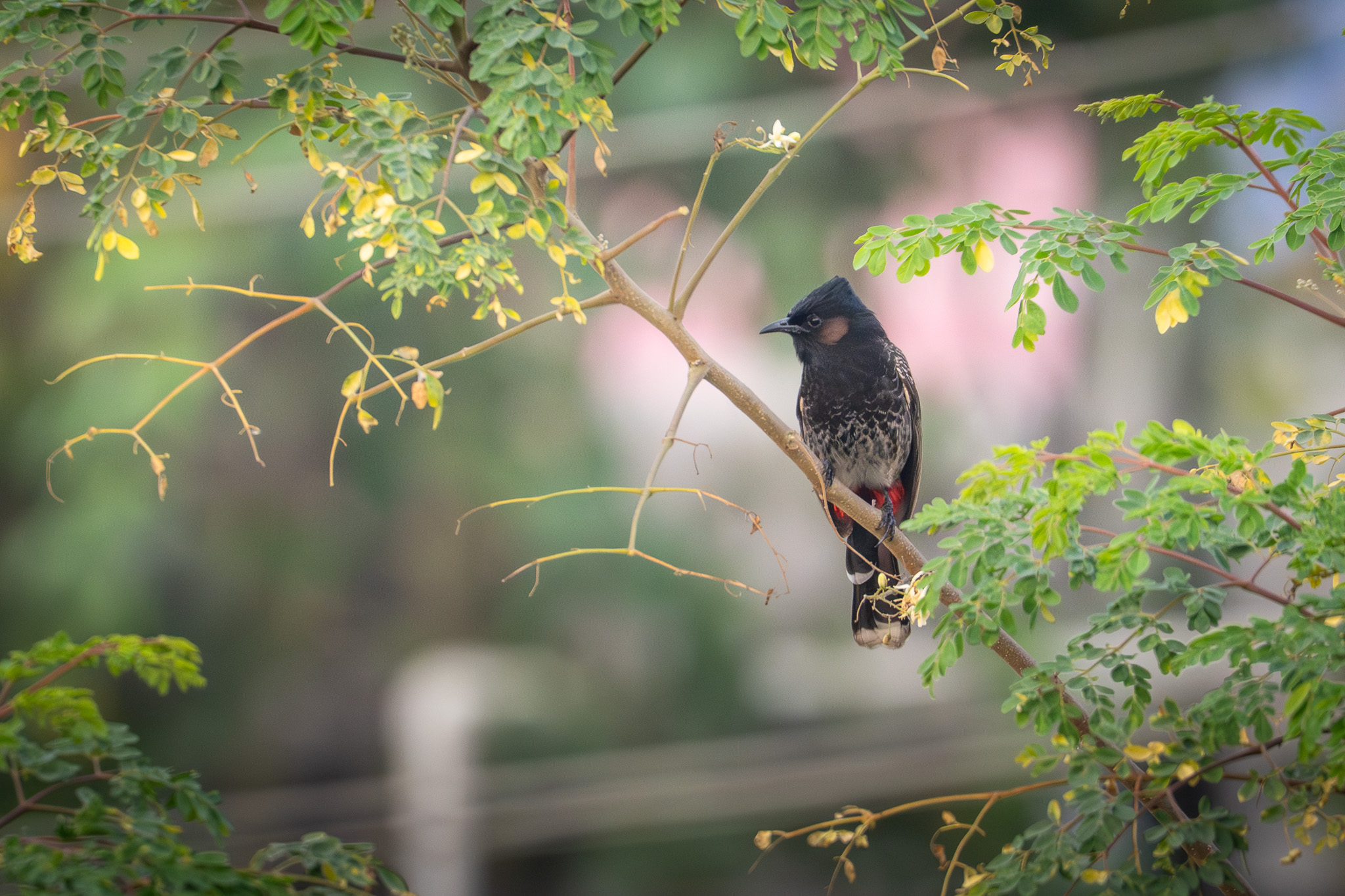
Take them outside. Not to a park designed by a contractor just outside. Stop. Point. Name a bird. You do not have to know all the names; "that one with the red under its tail, that's a bulbuli" is enough. Curiosity is contagious.
Let them keep a notebook. A child with a bird notebook becomes a child with a habit of looking. That habit, more than any lecture, is what will save a forest one day.
Plant fruiting and flowering trees. Krishnachura, Bombax, Erythrina, kadam, jamun, fig. Even one tree in a courtyard is a contribution. Convince your housing society to plant a row instead of a hedge.
Do not fill the pond. Even the small one. Especially the small one.
Teach them that birds are not pets and not pests. They are neighbours. The oldest neighbours we have.
The Birds You Can Meet Without Leaving Agartala
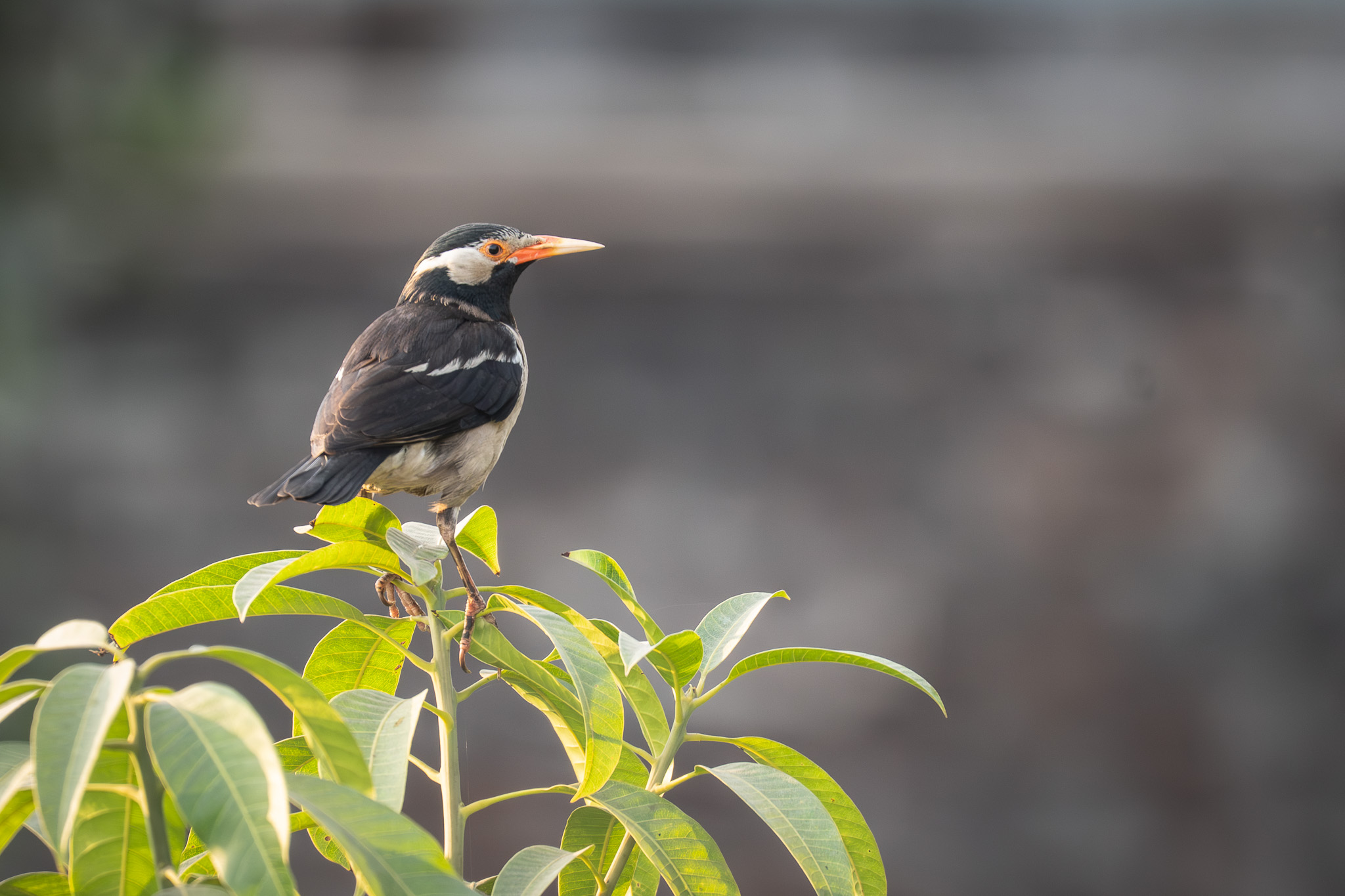
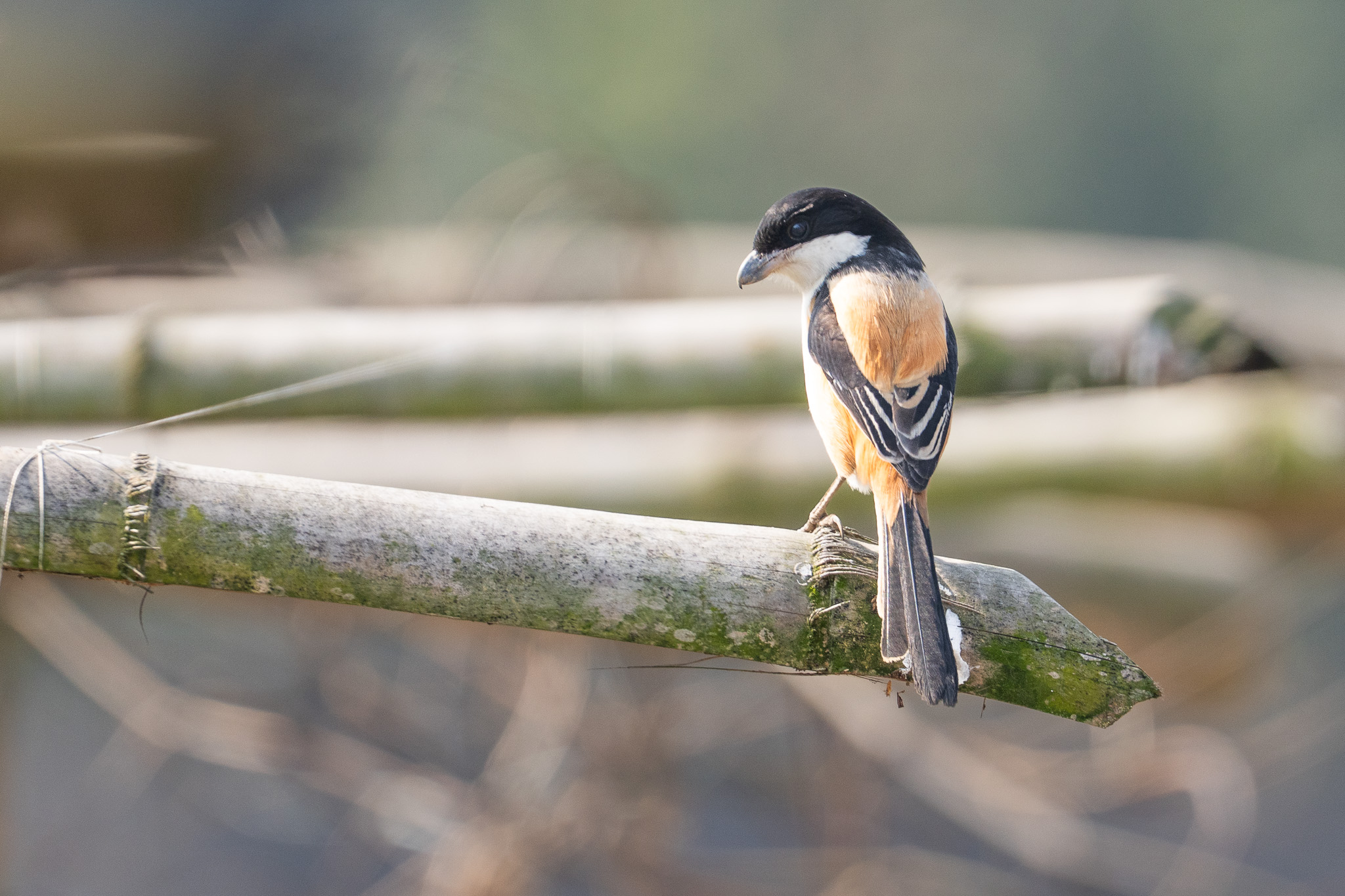
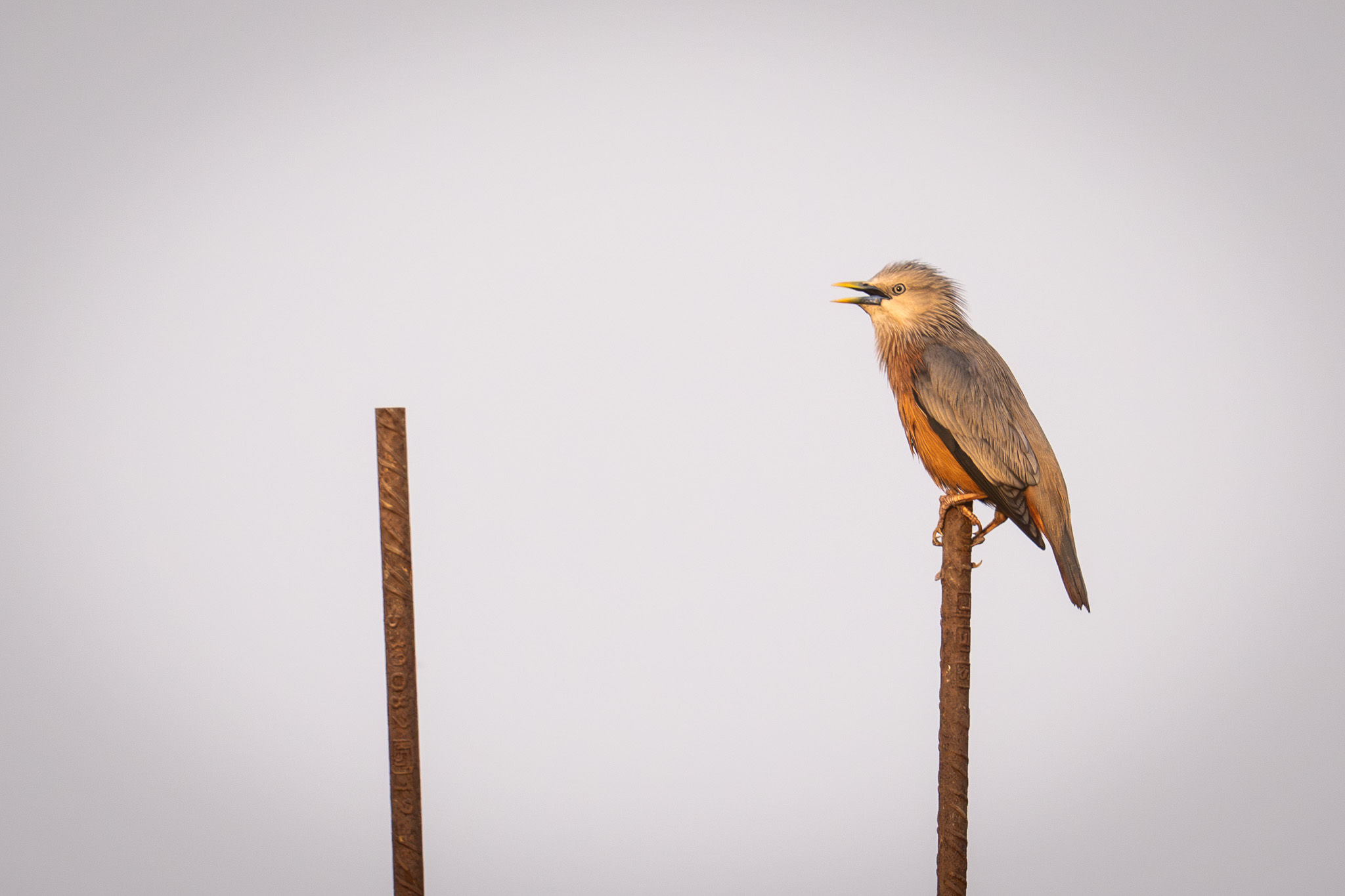
Here are some of the birds I have seen and you can see within and around the limits of our town. None of these required a four-wheel drive or a forest permit. Most were seen from a balcony, a rickshaw, a school field, or a walk to the local market.
The Songsters of the Garden
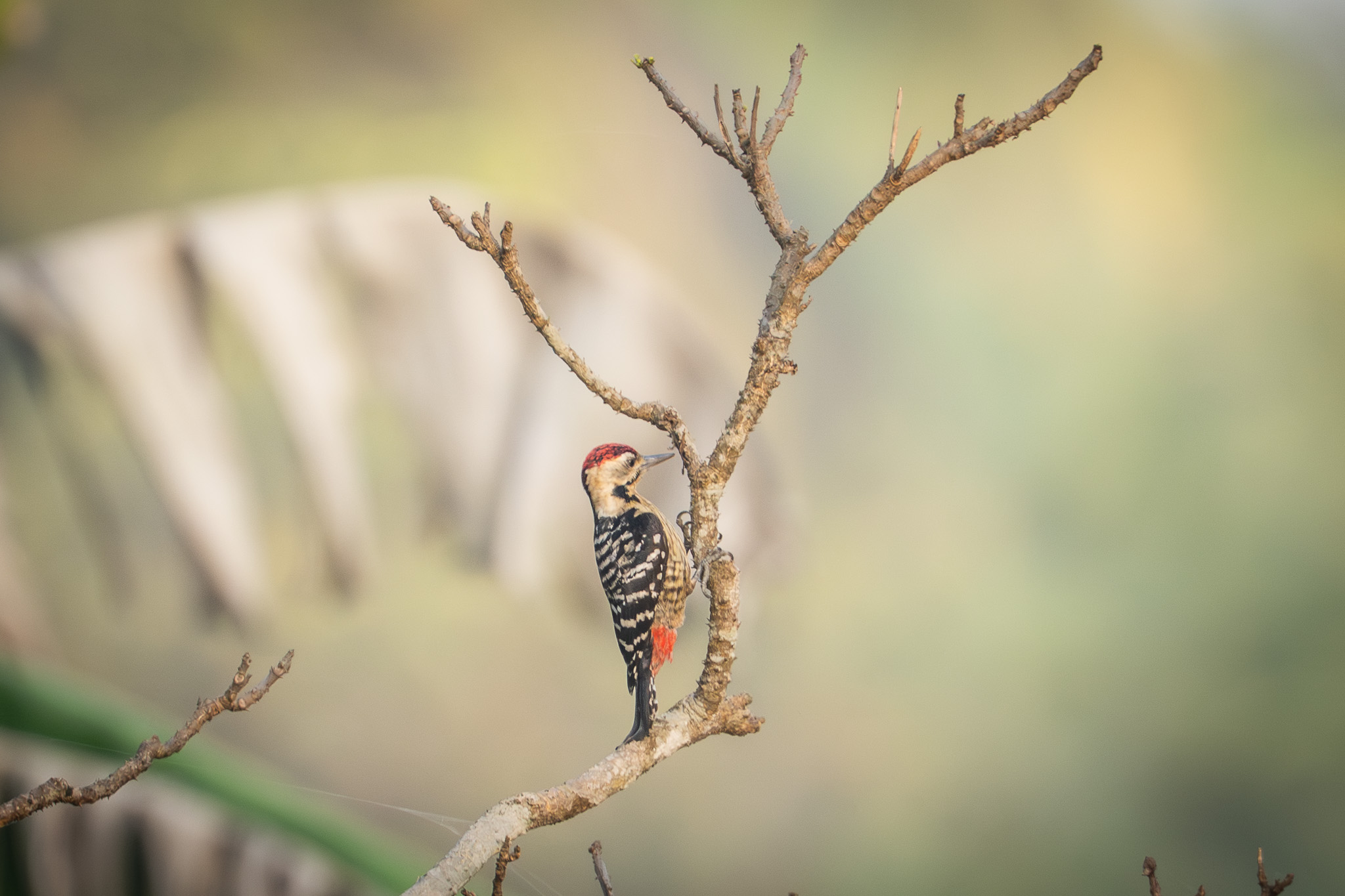
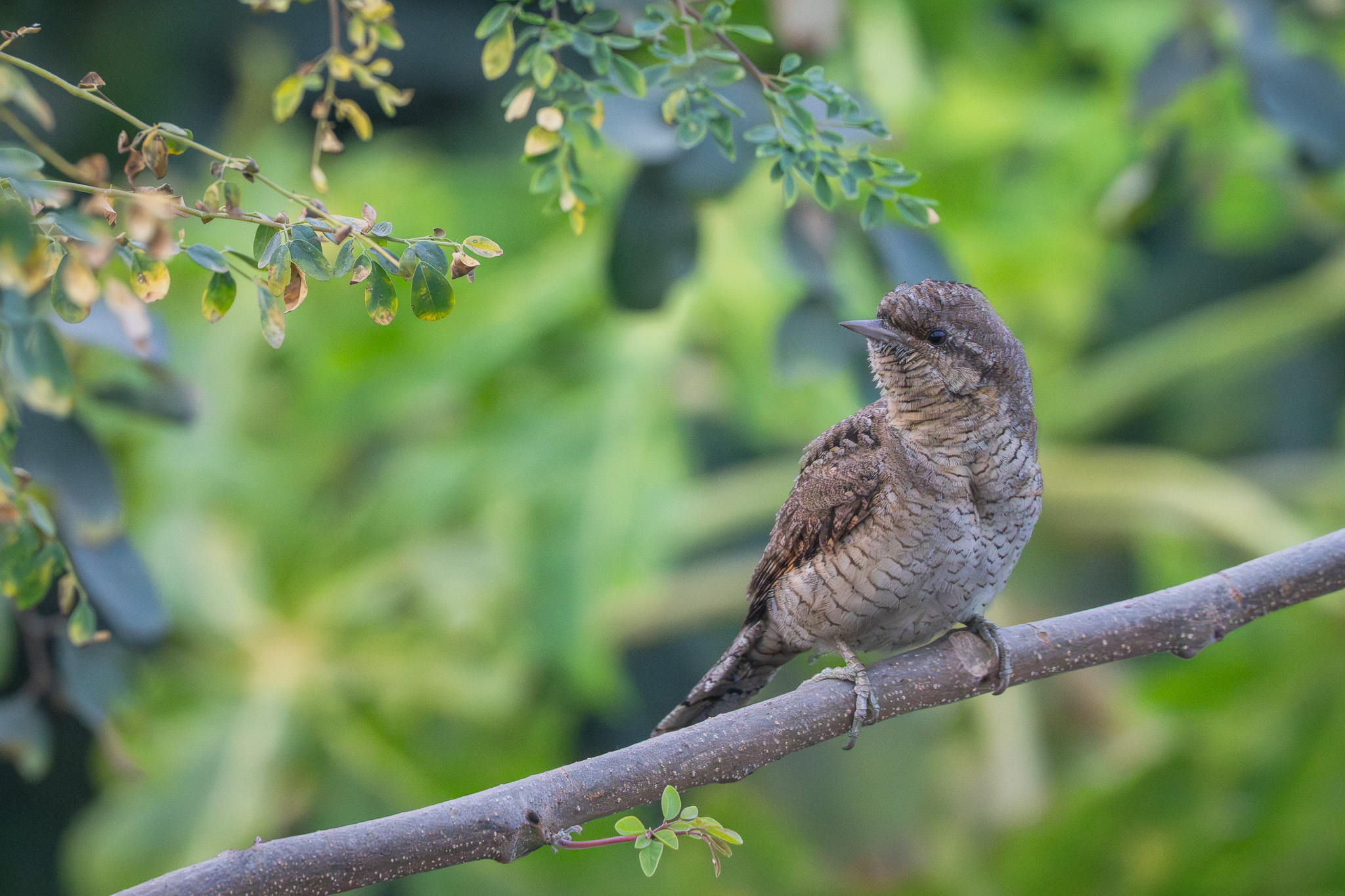
The Drummers and the Diggers
The Water Watchers
The Wanderers and the Quiet Ones
A Final Thought
Birding in Agartala is not a hobby for retired people in safari hats with expensive binoculars. It is, increasingly, an act of attention and attention, in a town that is changing very fast.
You do not need to travel anywhere to begin. Tomorrow morning, before the city starts up, open your window. Listen for the tailorbird. Look for the flash of the sunbird in the hibiscus. Watch the egret stand still by the pond at the corner of your road while the pond is still there.
The birds have not left us. Not yet.
Whether they stay is, mostly, up to us.
If you photograph birds in and around Agartala, share them. Tag the location. Build a record. The first step in protecting something is to prove, beyond doubt, that it was here.